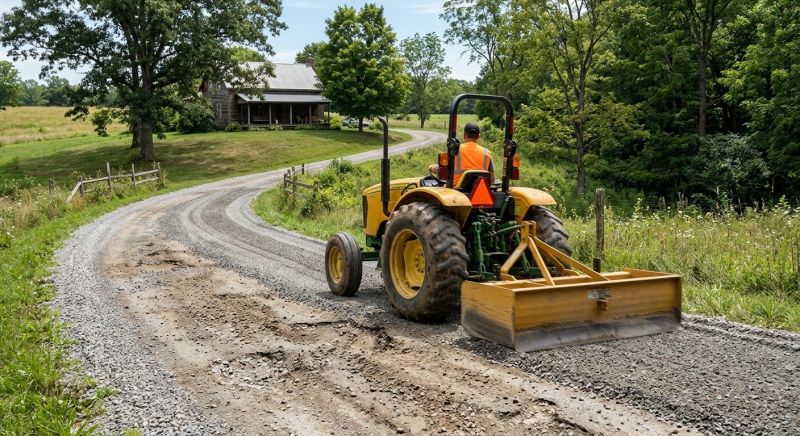
Driveway Leveling in Atlanta, GA
Driveway leveling services focus on correcting uneven or sloped surfaces to create a smooth, safe, and functional driveway. This process typically involves assessing the existing surface, removing any loose or damaged material, and then using specialized techniques to raise or lower sections of the driveway as needed. Projects can include addressing sunken areas, cracks caused by shifting soil, or uneven patches resulting from weather or ground movement, ensuring that the driveway remains level and durable for years to come.
Homeowners considering driveway leveling often want to understand the scope of work required, the types of driveways that can be improved, and what preparations might be necessary before the project begins. Common concerns include how the process impacts driveway longevity, whether it can correct existing damage, and if additional repairs are needed afterward. Clarifying these details can help property owners make informed decisions about maintaining a safe and attractive entrance to their property.
Many property owners in Atlanta, GA look into Driveway Leveling for repairs, replacements, upgrades, and appearance-related improvements.
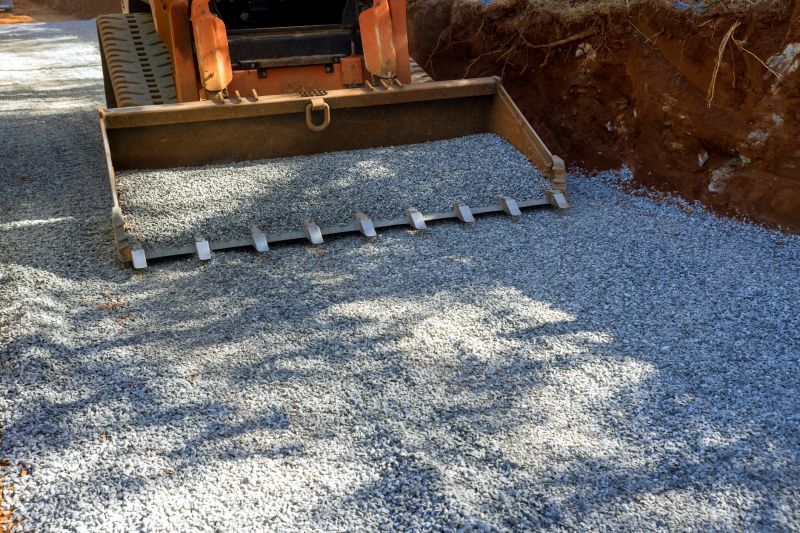
Benefits Of Driveway Leveling
Proper leveling improves safety, drainage, and curb appeal for residential properties.
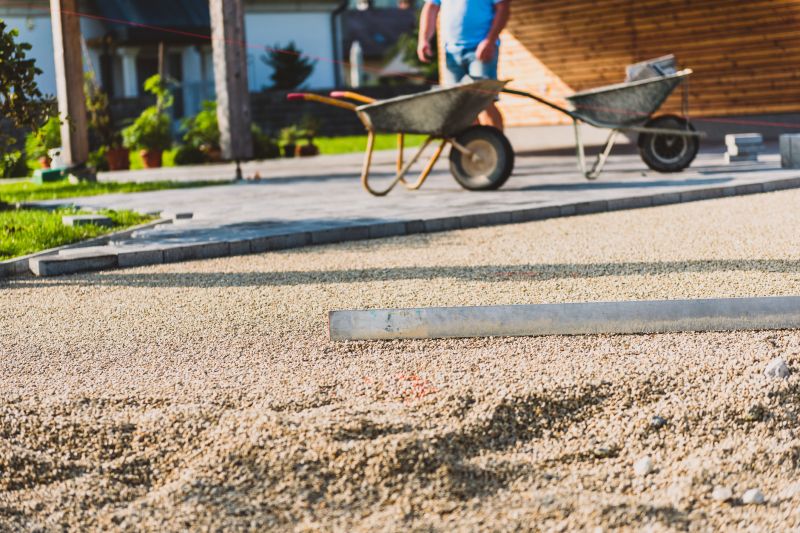
Common Driveway Issues
Uneven surfaces, cracks, and sinking are typical signs that driveway leveling may be needed.
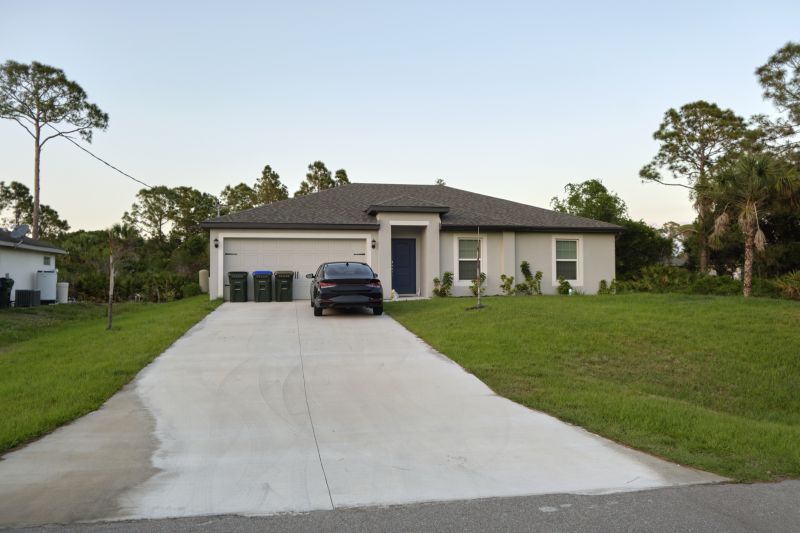
Materials And Techniques
Driveway leveling often involves soil stabilization and asphalt or concrete adjustments to restore evenness.
Driveway Leveling in Atlanta, GA
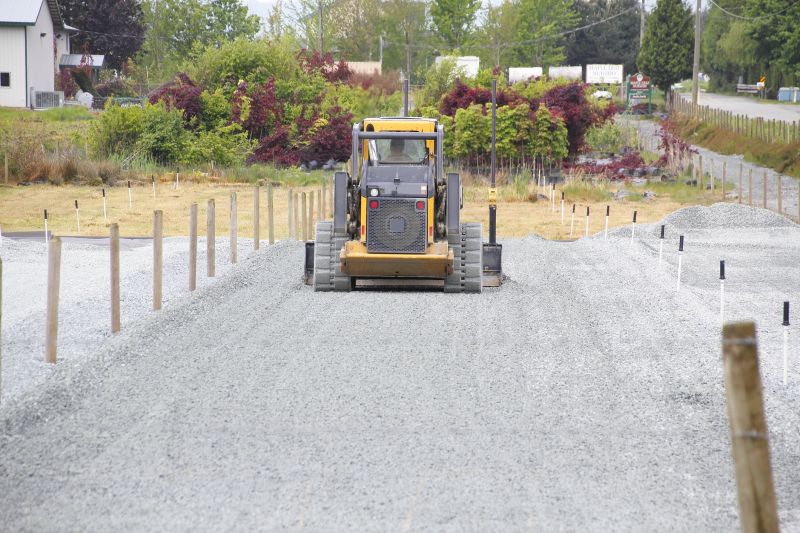
Driveway leveling services focus on correcting uneven or sloped surfaces to create a smooth, safe, and functional driveway. This process typically involves assessing the existing surface, removing any loose or damaged material, and then using specialized techniques to raise or lower sections of the driveway as needed. Projects can include addressing sunken areas, cracks caused by shifting soil, or uneven patches resulting from weather or ground movement, ensuring that the driveway remains level and durable for years to come.
Homeowners considering driveway leveling often want to understand the scope of work required, the types of driveways that can be improved, and what preparations might be necessary before the project begins. Common concerns include how the process impacts driveway longevity, whether it can correct existing damage, and if additional repairs are needed afterward. Clarifying these details can help property owners make informed decisions about maintaining a safe and attractive entrance to their property.
Many property owners in Atlanta, GA look into Driveway Leveling for repairs, replacements, upgrades, and appearance-related improvements.
Common Driveway Leveling Jobs
Driveway Leveling - Corrects uneven surfaces to improve safety and appearance.
Asphalt Driveway Repair - Fixes cracks, dips, and uneven areas for a smooth surface.
Concrete Driveway Restoration - Addresses settling or cracks to restore driveway integrity.
Slope Adjustment - Ensures proper drainage by leveling sloped driveways.
Pothole Filling - Repairs holes and depressions to prevent further damage.
Drainage Correction - Adjusts driveway grades to prevent water pooling and erosion.
Driveway Leveling Questions
What causes driveway unevenness? Driveway unevenness can result from soil settling, tree root growth, or temperature changes that cause expansion and contraction of materials.
How can driveway leveling improve property value? Leveling restores a smooth surface, enhancing curb appeal and reducing trip hazards, which can positively impact property value.
Is driveway leveling suitable for all types of driveways? Driveway leveling is effective for concrete and asphalt surfaces that have developed uneven spots or cracks.
What are common signs that a driveway needs leveling? Visible cracks, pooling water, or noticeable dips and slopes are signs that leveling may be needed.
Request Driveway Leveling in Atlanta, GA
Use the quote form on this page to share the basics of your project and request more information for the type of work you need.