
Leading Landscape Slopings Gear for Creating Stable and Visually Appealing Sloped Gardens
Browse the best products to support, reinforce, and design sloped areas that add value and beauty to your property.
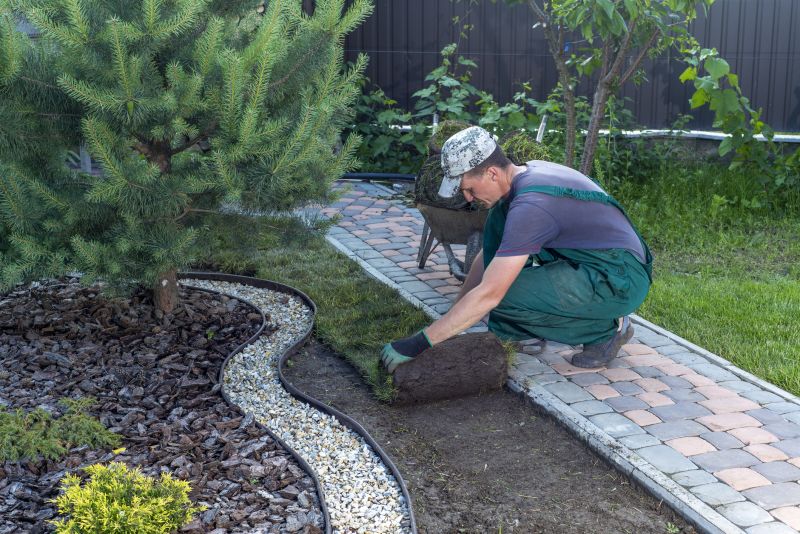 Landscaping on sloped terrain presents unique challenges that require specialized products to ensure stability, prevent erosion, and create an aesthetically pleasing environment. Properly addressing slopes involves selecting the right materials that can withstand the forces of gravity while blending seamlessly into the landscape design. From retaining systems to erosion control fabrics, there are numerous options tailored to different slope conditions and project goals. Understanding the characteristics and functions of these products can help homeowners and landscapers achieve durable and attractive results.
Top Overall Option
Versatile Retaining Wall System
A modular retaining wall system that offers flexibility in design and installation, suitable for various slope conditions. It provides structural support, erosion control, and aesthetic appeal, making it a comprehensive solution for landscape sloping challenges.
Types of Products For Landscape Slopings
Interlocking Retaining Blocks
Heavy-duty blocks designed to lock together securely, forming stable retaining walls that can be customized in height and length.
Erosion Control Blankets
Fabric mats that stabilize soil and prevent erosion on steep slopes, often made from straw, coconut fiber, or synthetic materials.
Geogrid Reinforcement Fabrics
High-strength fabrics used to reinforce soil and improve slope stability, especially under retaining walls or terraced areas.
Terracing Systems
Pre-fabricated or modular systems that create level planting areas on steep inclines, reducing runoff and erosion.
Drainage Pipes and Gravel
Drainage solutions that help divert water away from slopes, reducing pressure and preventing washouts.
Landscape Fabric
Permeable fabrics that suppress weed growth while allowing water to pass through, used beneath soil or mulch.
Rock and Gravel Fill
Natural or crushed stones used for stabilization, aesthetic appeal, and drainage in slope projects.
Timber Retaining Walls
Wooden structures that provide a natural look while supporting soil on gentle to moderate slopes.
Gabion Baskets
Wire cages filled with rocks or other materials, offering flexible and durable slope support options.
Planting Terraces
Built-in or added structures that create planting beds on slopes, reducing erosion and enhancing landscape diversity.
Erosion Control Meshes
Flexible meshes that hold soil in place and support vegetation growth on steep slopes.
Hydroseeding Kits
Seed mixtures combined with mulch and fertilizers, sprayed onto slopes to establish vegetation quickly.
Soil Stabilization Additives
Chemical or organic agents that improve soil cohesion and reduce erosion in challenging slope areas.
Flexible Plastic Liners
Durable liners used to create barriers or reservoirs on slopes, controlling water flow and preventing soil loss.
Vegetative Matting
Bio-degradable mats that support seed germination and plant establishment on slopes.
Popular Choices
Widely used for creating durable retaining walls with customizable designs.
Commonly selected for quick stabilization of disturbed slopes.
Popular for enhancing the stability of retaining structures and slopes.
Chosen for their natural appearance and ease of installation on gentle slopes.
Favored for their versatility and aesthetic appeal in slope stabilization projects.
Popular for establishing vegetation quickly on bare slopes.
Commonly used beneath mulch or soil to prevent weed growth and improve soil stability.
Preferred for natural drainage and aesthetic integration into landscape designs.
Frequently implemented to create functional planting zones on steep terrain.
Essential for managing water flow and reducing erosion risk on slopes.
Effective slope management often begins with assessing the specific needs of the area, including the degree of incline, soil type, and desired plantings. Materials such as retaining wall blocks provide structural support and can be arranged in various styles to complement the landscape. Erosion control blankets and mats help stabilize soil, especially in areas prone to runoff or heavy rainfall. Additionally, terracing solutions and soil stabilization fabrics can transform steep inclines into functional garden spaces or walkways.
Choosing the right products also involves considering maintenance requirements and longevity. Some systems are designed for easy installation and removal, making them suitable for temporary or evolving landscapes. Others offer long-term durability, resisting weathering and shifting over time. Proper installation and material selection are critical to ensuring safety and effectiveness, especially in areas with significant water flow or heavy use. By combining these products thoughtfully, it is possible to create a resilient and visually appealing landscape that stands the test of time.
Key Buying Considerations
- Assess the slope angle and soil type to select appropriate products.
- Determine whether a temporary or permanent solution is needed based on landscape plans.
- Consider the load-bearing capacity required for retaining structures.
- Evaluate drainage needs to prevent water accumulation and soil washout.
- Select materials that are compatible with the surrounding landscape aesthetic.
- Check installation requirements and whether professional help is necessary.
- Review product durability and resistance to weathering over time.
- Estimate the size and scope of the project to choose scalable solutions.
- Prioritize products with proven performance in similar slope conditions.
- Consider maintenance needs and accessibility for future upkeep.
- Ensure compatibility of different products when combining systems like geogrids and retaining blocks.
- Look into the environmental conditions, such as rainfall and runoff patterns.
- Factor in budget constraints while balancing quality and longevity.
- Review local building codes or regulations related to slope stabilization.
- Opt for products that facilitate plant growth if vegetation stabilization is part of the plan.